This review contains major spoilers for The First Slam Dunk.
When I envisioned myself watching The First Slam Dunk, I saw myself becoming completely engrossed in a film about basketball. I would be super invested in a story of how guys would win a basketball game and enjoy the animation. Little did I know, I would be a sobbing mess in the first 10 minutes of the film, and would continue crying for the duration of the two hours. I didn’t expect that an anime sports movie would tear a hole in my heart, that now I’m forced to deal with.

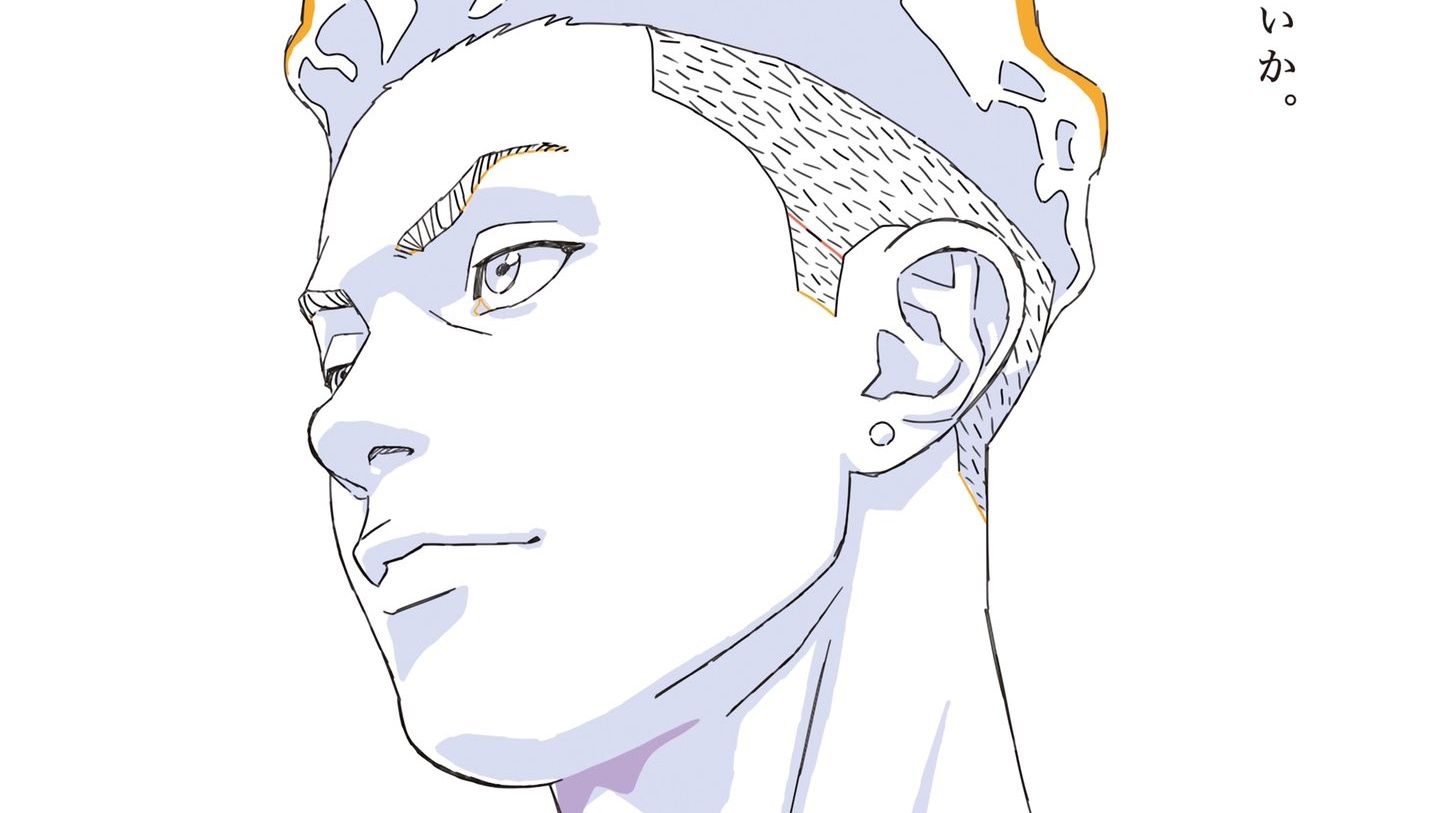
Slam Dunk is a manga series by Takehiko Inoue. It ran in Weekly Shounen Jump from 1990 to 1996. It was adapted into an anime and four subsequent movies. The story’s main character is Hanamuchi Sakuragi, a delinquent who starts playing basketball to win over a girl. The First Slam Dunk movie adapts the final game of the manga and follows the story of Ryota Miyagi.
Ryota’s story is told in flashbacks as we watch the Shohoku High basketball team compete against the highly regarded Sannoh Kogyo team. Throughout the challenging game, we watch Ryota grieve his brother and continue his basketball journey that leads him to this match.

Ryota Miyago’s backstory absolutely destroyed me. He’s a nine year old kid who idolizes his older brother Sota, who is a basketball star. Of course, Ryota wants to play ball just like him. They have a little sister and just lost their father. One day, Sota leaves Ryota in the middle of a basketball game to go out to sea with his friends. As Ryota screams through tears “Don’t come back!” I knew we would never see Sota in living form again.
Aside from the tragedy of losing his father and brother, what really broke me about Ryota’s story is that it’s not just his story alone. We also have to witness his mom try to pick up the pieces after these losses. She’s at games seeing people whisper about her older son’s death and how his little brother just isn’t as good as him. Her younger son is obsessed with his older brother and playing basketball. So much so that it pains her and she wants it to stop. We see her trying to pack his things and wrestle Sota’s belongings off of Ryota, as she screams that he has his own things to wear.

We watch Ryota and his mom have somewhat of a strained relationship throughout the film. The night before Ryota leaves for the big match, they celebrate his birthday in which we learned Sota had the same birthday. As they sit and eat cake, they remark that Sota would have been turning 20, while Ryota turns 17. Ryota’s sister notes that Ryota is an age Sota will never be, even though he was older. Ryota later catches his mom up, watching old games of Sota on tape. Ryota leaves his mom a letter, thanking her for allowing him to play basketball, even though it was a painful reminder of Sota.
The movie feels as much about her as it does about Ryota. When we think about loss, we often think of how one person keeps moving forward through loss and grief. But when a parent loses a child, who has living siblings, the pain compounds. Not only does the parent have to navigate their loss of their child, they also have to witness their children lose their sibling, often times needing to manage those emotions. Ryota’s family has dealt with so much loss, but their mom is suppose to be the matriarch. She’s doing the best she can, but she’s drowning.

Knowing all this, the importance of this specific game is at an all-time high. Sota dreamed of beating Sannoh. When it doesn’t seem like they can do it, Shohoku High pulls through. The match is enticing. Watching the guys come together to overcome a 20-point lead was incredible. I found myself jumping up and holding back screams as the final seconds of the game took place.
On the surface, it may seem like these are two separate stories, taking place on the screen. But the reality is that it is one story. The story of how when we show up, we show up with all of us. The pain, the losses, the struggles. But we also show up with the wins, the happy, the joy, and the things that fuel us. Ryota Miyagi is a testament that there is life after loss, even if it’s painful, even if it hurts, even if the hurting never goes away. We continue to move forward and make a way.